
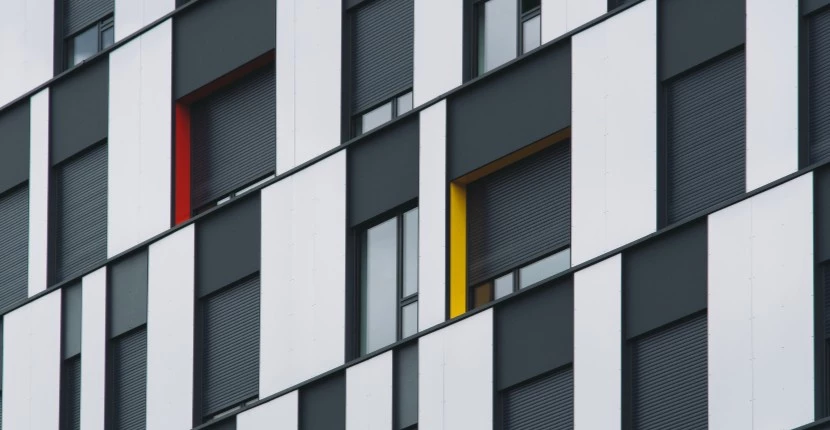
Rainscreen Cladding Systems
Get in TouchAt Building Facades, we supply, design, and install advanced building envelope solutions and across the UK, helping developers and architects create resilient and visually impactful exteriors. Our technical team delivers precision-engineered cladding solutions tailored to specific structural requirements, fire safety obligations, and weatherproofing performance demands.
By merging innovative building physics with architectural vision, we ensure every project achieves optimal thermal stability and regulatory compliance within the existing building envelope.
How Much Does Rainscreen Cladding Systems Cost?
The cost of rainscreen cladding systems ranges from £250 to over £850 per square metre, depending on the choice of facing material, the depth of the insulation zone, and the structural complexity of the subframe.
Costs are primarily influenced by the selection of raw materials such as solid aluminium or terracotta, the requirement for non-combustible mineral wool insulation, the total building height affecting access logistics, and the inclusion of intumescent cavity barriers to meet current fire safety legislation.
Contact Building Facades to get customised prices for getting rainscreen cladding systems at your property.
What Services Does Building Facades Provide For Building Exterior Solutions?
We deliver a comprehensive suite of professional services for rainscreen cladding systems designed to support the entire lifecycle of your building's exterior, including:
Technical Design and Detailing – Producing detailed CAD layouts of panel arrangements and interface junctions for structural precision.
Specialist Component Fabrication – Manufacturing panels and subframe rails to exact site dimensions to ensure a seamless fit.
Professional System Assembly – Executing high-precision mechanical fixing by accredited engineers to guarantee long-term stability.
Environmental Integrity Testing – Conducting on-site audits for air permeability and water tightness to verify the environmental seal.
Statutory Compliance Management – Producing full technical documentation and fire-safety records required for the Building Safety Regulator.
What Are Rainscreen Cladding Systems And Why Are They Used In Modern Buildings?
Rainscreen cladding systems serve as an engineered secondary skin designed to provide comprehensive weather protection and thermal stability for modern developments. These systems are utilised because the ventilated cavity principle effectively manages moisture penetration by separating the weathering skin from the structural wall.
By implementing this high-performance barrier, developers can interrupt capillary moisture pathways, ensuring the building's core materials remain preserved against environmental degradation while achieving superior energy efficiency.
When Should Developers Choose Rainscreen Cladding Systems For Construction Projects?
Specifying rainscreen cladding systems is the most effective strategy when a development requires an exterior wall that offers guaranteed performance over a sixty-year lifecycle. Developers should opt for these systems during the early planning phase to ensure the structural frame is calculated to accommodate specific wind loads and thermal movements.
This choice is increasingly critical for safety remediation works, where replacing hazardous materials with non-combustible solutions is mandatory for legal and insurance compliance.
Where Are Rainscreen Cladding Systems Commonly Installed On Buildings?
Across the built environment, rainscreen cladding systems are concentrated on primary elevations and gable ends where protection from driving rain is paramount. These systems are most frequently integrated into high-rise residential blocks and commercial office towers to provide a robust environmental shield.
By applying these panels to feature entrance surrounds and roofline parapets, developers ensure a unified aesthetic finish that protects structural members from UV degradation and atmospheric pollutants common in urban environments.
How Do Rainscreen Cladding Systems Work In Modern Building Design?
Operationally, rainscreen cladding systems function by mechanically anchoring an engineered subframe to the building's structural wall, which supports the outer panel skin over a ventilated drainage cavity. This system architecture creates a pressure-equalised zone that manages moisture ingress and prevents water from reaching the internal insulation layer.
The outer layer acts as a primary rain-shield, allowing the cavity to dissipate any moisture that bypasses the joints, thereby keeping the building fabric completely dry and biologically stable.
What Types Of Rainscreen Cladding Systems Are Available For Buildings?
We install a full range of rainscreen cladding systems designed to meet various height, insulation, and architectural requirements, including:
Solid Aluminium Panels – High-durability A1 fire-rated modules providing extreme rigidity for high-rise residential projects.
Fibre Cement Modules – Naturally weathering modules offering a balanced thermal performance and high impact resistance for schools.
Terracotta and Ceramic Tiers – High-thermal-mass building skins that offer exceptional durability and unique visual character.
Natural Stone Facades – Precision-cut stone modules that create a premium aesthetic for landmark civic and cultural buildings.
High-Pressure Laminates – Cost-effective and robust exterior skins ideal for retail parks and low-rise commercial developments.
How Durable And Weather Resistant Are Rainscreen Cladding Systems?
The longevity of rainscreen cladding systems is underpinned by the selection of high-grade facing materials that resist UV degradation and mechanical fatigue. By separating the weather-defence function from thermal insulation, the system ensures that the building envelope remains impermeable to driving rain.
This environmental resilience ensures that the building remains structurally intact for decades, reducing the frequency of facade renewals and preserving the property’s energy efficiency rating throughout its operational life.
Which Industries And Building Types Use Rainscreen Cladding Systems?
Various professional and industrial sectors rely on rainscreen cladding systems to achieve specific logistical and safety outcomes, featuring:
Healthcare and NHS Facilities – Delivering hygienic building envelopes for hospitals that require minimal ongoing maintenance.
Higher Education Institutions – Creating modern campus structures that withstand high student footfall and environmental exposure.
Commercial Hospitality Groups – Ensuring hotel exteriors reflect high-quality branding while maintaining guest thermal comfort.
Logistics and Data Centres – Engineering robust, lightweight skins that protect sensitive internal machinery and inventory.
Transport Infrastructure Hubs – Delivering weather-resistant exteriors for airports and railway terminals in highly exposed locations.
Why Should Developers Choose Building Facades For Exterior Cladding Solutions?
Choosing our expertise for rainscreen cladding systems provides a single-source responsibility model that eliminates coordination gaps between design, supply, and installation. We bring deep technical knowledge of building physics, ensuring the most appropriate system is selected for the specific site exposure.
By providing precision-led project management and full compliance records, we help property owners mitigate financial risks while achieving an architecturally superior and fire-secure finish for their developments.
What Safety Standards And Building Regulations Apply To Rainscreen Cladding Systems?
Strict adherence to Building Regulations Approved Document B is the technical baseline for all rainscreen cladding systems to eliminate external fire spread risks. Following the Building Safety Act 2022, all systems applied to buildings over 11 or 18 metres must achieve an A1 or A2-s1, d0 fire rating.
Adhering to these standards provides property owners with the mandatory safety certification required for insurance validity and regulatory building control sign-off throughout the building's lifecycle.
Contact Building Facades for a consultation to get rainscreen cladding systems which are custom designed for your business premises.